How to Store a Generator: Short-Term, Long-Term and Reviving One That Sat
Most generator problems are really storage problems. Fuel goes stale, carburetors gum up, batteries die and the generator will not start when the next outage arrives. Good storage takes about 15 minutes and prevents nearly all of it. This guide covers short-term and long-term storage, where to keep a generator safely, and how to revive one that has been sitting.
Where to store a generator
- Dry and covered: a shed, garage corner or storage room keeps rain and humidity off the engine and controls. Moisture corrodes electrical parts.
- Off the ground and away from standing water, ideally on a shelf, stand or dolly.
- Never run it where you store it. Always move the generator outdoors, well away from the building, before starting it.
- Away from heat and ignition sources: keep it away from furnaces, water heaters with pilot lights and anything that can spark, especially if any fuel is in the tank.
- Fuel storage: keep spare fuel in approved, labeled containers in a ventilated spot outside living space. Check your local fire code for limits on how much fuel you may store.
Short-term storage (up to about 30 days)
- Let the engine cool completely.
- Wipe off dirt and check the oil level.
- Leave the fuel in the tank, but treat it with fuel stabilizer if the generator will sit for more than a month.
- Cover it with a breathable cover, not plastic sheeting that traps moisture.
Long-term storage (more than 30 days)
Fuel is the main concern. Gasoline can start to go stale in a month or two, and ethanol blends (E10) absorb water. You have two good options:
Option A: Stabilize the fuel (best for most people)
- Fill the tank with fresh fuel, ideally ethanol-free if you can get it.
- Add fuel stabilizer at the ratio on the bottle.
- Run the engine for 10 to 15 minutes so the treated fuel reaches the carburetor.
- Shut off the engine and let it cool. Most stabilizers claim protection for one to two years, but check the label.
Option B: Run the carburetor dry
- Close the fuel valve while the engine is running and let it run until it stalls, which empties the carburetor bowl.
- Drain the fuel tank into an approved container. Use it in a car or take it to a hazardous waste site if it is old.
- Open the carburetor drain screw to let any remaining fuel out, then close it.
Option B means starting with fresh fuel next time, but it avoids stale fuel completely. It does not work for fuel-injected models, which should be stored with stabilized fuel per the manual.
Other long-term steps
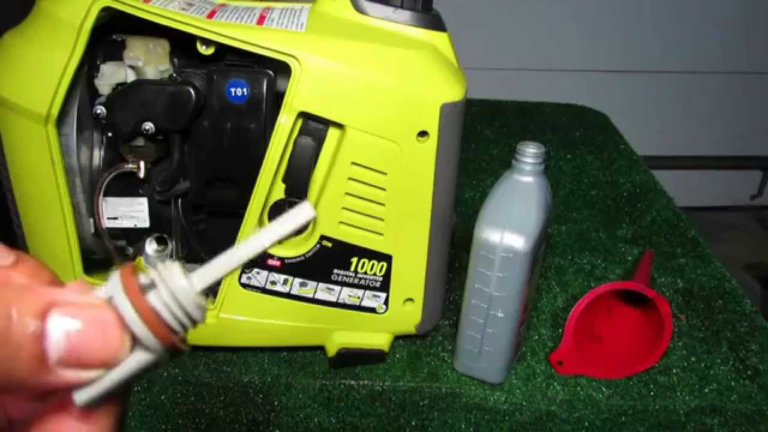
- Change the oil. Used oil contains acids and moisture. Fresh oil protects the engine through storage. See our oil change guide.
- Protect the cylinder (optional): many manuals suggest removing the spark plug, adding about a teaspoon of clean engine oil to the cylinder, pulling the starter cord slowly a few times and refitting the plug.
- Look after the battery: on electric-start models, disconnect the battery or put it on a battery maintainer, because it can go flat in a few months.
- Clean it: remove dust and debris from the cooling fins and air intake.
- Propane and dual fuel: disconnect propane hoses and close tank valves. Store propane cylinders upright, outdoors, never in a basement or living space.
Exercise it monthly
Even properly stored generators benefit from a monthly run. Take it outdoors, start it and run it for 20 to 30 minutes with a moderate load plugged in, such as a work light or heater. That circulates oil, burns off moisture, charges the battery and keeps the alternator magnetized so it produces power. Our guide on a generator running with no power explains why this matters.
Bringing a stored generator back into use
- Move it outdoors and inspect it for rodent damage, cracked hoses and loose wires.
- Check the oil level and condition.
- If fuel was left in without stabilizer for several months, drain it into an approved container and refill with fresh fuel.
- Replace the fuel filter if it looks dirty and check the spark plug.
- Charge or replace the starter battery.
- Start the generator with no load, let it warm up for a few minutes, then add loads gradually.
If it will not start, work through our generator won’t start checklist. A cleaned carburetor fixes most generators that sat with old fuel.
Storage checklist
- Fuel stabilized, or fuel system drained
- Oil fresh and at the right level
- Battery charged and disconnected or on a maintainer
- Generator clean, dry and covered
- Propane cylinders stored outdoors, upright, valves closed
- Monthly run on the calendar
Frequently asked questions
How long can gas sit in a generator?
Untreated gasoline can degrade in as little as 30 days, and E10 absorbs water over time. With stabilizer it typically lasts a year or more. Ethanol-free gasoline lasts longer than E10.
Should I leave gas in the generator or drain it?
Either works if done properly. Stabilized fuel with a short run to circulate it is easiest. Draining and running the carburetor dry is best for very long storage.
Can I store a generator in the garage?
You can store one there, but never run it there. Keep it away from ignition sources, such as water heaters with a pilot light, and move it outside before starting it.
How often should I start my generator?
Monthly for 20 to 30 minutes under load.
Related guides
Follow your owner’s manual for model-specific storage steps. Store fuel in approved containers and follow local fire codes.