Generator Comparison by Wattage: 1,800 W to 10,500 W
Generator size is the first filter for almost every buyer, and the models in each wattage band behave very differently. This page groups the generators in our comparison tool by running watts so you can see what you get at each size: weight, noise, runtime and, where the maker publishes one, price. Figures are from manufacturers’ pages, checked on 2 November 2026.
Reading the wattage numbers
Running watts are what the generator can supply continuously. Starting (peak) watts are a short surge for motors and compressors. Size to running watts, then check the starting figure covers your biggest motor. Use the size calculator if you are unsure.
About 1,800 running watts: camping and small devices
| Model | Running / peak | Weight | Tank | Stated runtime |
|---|---|---|---|---|
| Honda EU2200i | 1,800 / 2,200 W | 46.5 lb | 0.95 gal | 3.2 h at rated load, 8.1 h at 1/4 load |
| Yamaha EF2200iS | 1,800 / 2,200 W | 55.2 lb | 1.24 gal | 10.5 h at 1/4 load |
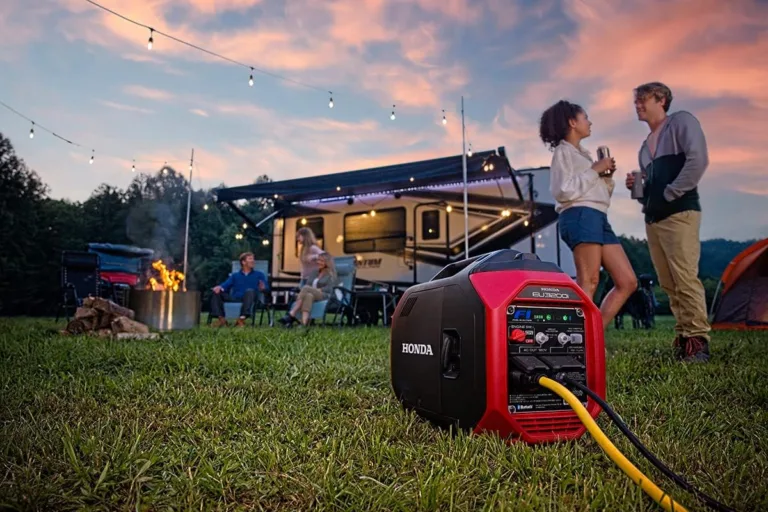
These suit camping, tailgating, phone and laptop charging and a small refrigerator. Neither is meant for house backup. Both can run in parallel with a second unit.
About 3,000 running watts: RVs and essential circuits
| Model | Running / peak | Weight | Tank | Stated runtime |
|---|---|---|---|---|
| Champion 100809 | 3,000 / 4,000 W | 48.1 lb | 1.54 gal | 10 h at 1/4 load |
| Champion 201050 (dual fuel) | 3,000 / 4,000 W gasoline; 2,700 W propane | 51.8 lb | 1.54 gal | 10 h gasoline, 25 h propane at 1/4 load |
| Predator 3500 CO Secure | 3,000 / 3,500 W | about 102 lb | 2.33 gal | 11 h at 25% load |
| Generac GP3500iO | 3,000 / 3,500 W | 74.3 lb | 2.37 gal | 8 h at 50% load |
The weight spread here is striking: the two Champion inverters are around 50 lb, while the Predator is about double that. The Predator adds electric start and a CO shutdown. The Generac states its runtime at the tougher 50% load, so its 8 hours is not directly comparable with the 25% figures above.
3,600 to 3,900 running watts: bigger loads, still portable
| Model | Running / peak | Weight | Tank | Stated runtime (gasoline) |
|---|---|---|---|---|
| Westinghouse WGen3600DF | 3,600 / 4,650 W | 120 lb | 4 gal | 14 h at 25% load, 10.5 h at 50% |
| Westinghouse iGen5000DF | 3,900 / 5,000 W | 104.7 lb | 3.4 gal | 18 h at 25% load |
Both run on gasoline or propane with electric, remote and recoil start. The iGen5000DF is an inverter at 52 dBA. The WGen3600DF is conventional at 68 dBA and costs about half as much by listed price.
5,500 running watts: quiet midsize
The Honda EU7000iS is rated at 5,500 W (7,000 W peak) at 58 dB, with 6.4 hours at rated load and 16 hours at 1/4 load on 5.1 gal. It weighs 263.2 lb. Honda’s spec sheet does not publish a price.
9,500 to 10,500 running watts: home backup and heavy duty
| Model | Running / peak (gasoline) | Weight | Tank | Stated runtime | Listed price |
|---|---|---|---|---|---|
| Westinghouse WGen9500DF | 9,500 / 12,500 W | 211 lb | 6.6 gal | 12 h at 25% load, 8 h at 50% | $1,249 MSRP |
| DuroMax XP13000EH | 10,500 / 13,000 W | 234 lb | 8.3 gal | 17 h at 25% load, 8 h at 50% | $1,299 |
These two are close on price, noise (about 74 dB) and fuel types. The XP13000EH offers more watts, a bigger tank, AVR and CO sensor shutdown. The WGen9500DF is lighter and is the one listed as transfer switch ready.
Frequently asked questions
Is a higher wattage always better?
No. A larger unit weighs more, costs more and burns more fuel at light load. Size to your running watts with some headroom for the starting surge.
What is the difference between running and starting watts?
Running watts are continuous output. Starting watts are a brief surge for motors. Check both against your biggest load.
Can I run a whole house on 3,600 watts?
Not at once. You can run essentials such as a refrigerator and lights. Use the load calculator to check your own list.