Ultimate Guide to Buying the Best Generator
In the modern world, where our daily lives are deeply intertwined with the continuous flow of electricity, abrupt disruption can bring significant challenges. From households to businesses, the reliance on uninterrupted power is paramount. Unforeseen power outages can have far-reaching impacts, whether caused by extreme weather events, infrastructural failures, or maintenance activities. In these situations, the role of a reliable generator becomes not just advantageous but essential. Generators offer a dependable power source, ensuring life can continue with minimal disruption, whether keeping the lights on at home, machines running in businesses, or tools operational in remote job sites.
Outline for Best Generators Buying Guide
-
Understanding Different Types of Generators
Power Requirements and Capacity
Factors to Consider When Buying a Generator
Features to Look For in a Generator
Cost Considerations When Buying a Generator
Generator Sizing and Capacity
Installation and Maintenance of Generators
Safety Precautions for Generators
Where to Buy Generators
Conclusion
Understanding the Generator Market
The market for generators is diverse, featuring a range of types and models, each designed to cater to specific needs and circumstances. Portable generators provide flexibility and convenience for on-the-go power needs, such as Camping or outdoor events. Standby generators offer peace of mind for homeowners and businesses, automatically providing power during an outage. However, navigating the myriad options, understanding the technicalities, and identifying the right fit for your needs can be complex.
Who Benefits from This Guide
It is where the comprehensive advice provided by Generator Flow, backed by its expertise, proves to be a helpful tool. The guide aims to demystify the generator selection process while serving a large user base. Whether you’re an off-grid outdoor enthusiast seeking a dependable energy source, a homeowner trying to safeguard your power supply in an emergency, or a business owner trying to keep things running smoothly, this book will benefit you. With insights from Generator Flow, it examines significant subjects such as power production capacity, fuel economy, environmental concerns, and financial challenges. We want you to have a thorough and sophisticated grasp of generators so you can confidently and well-informedly make your purchase.
Understanding Different Types of Generators
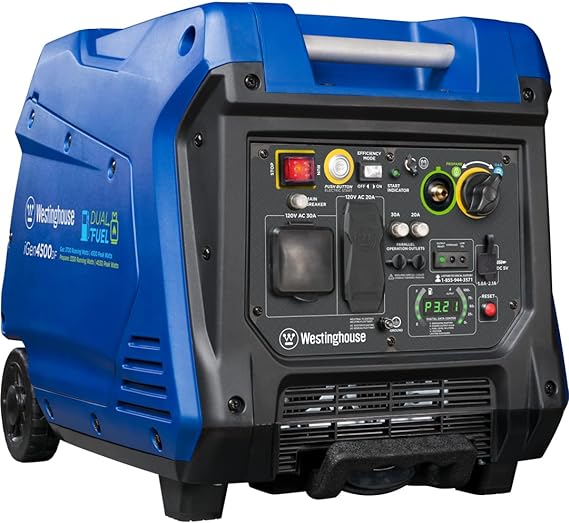
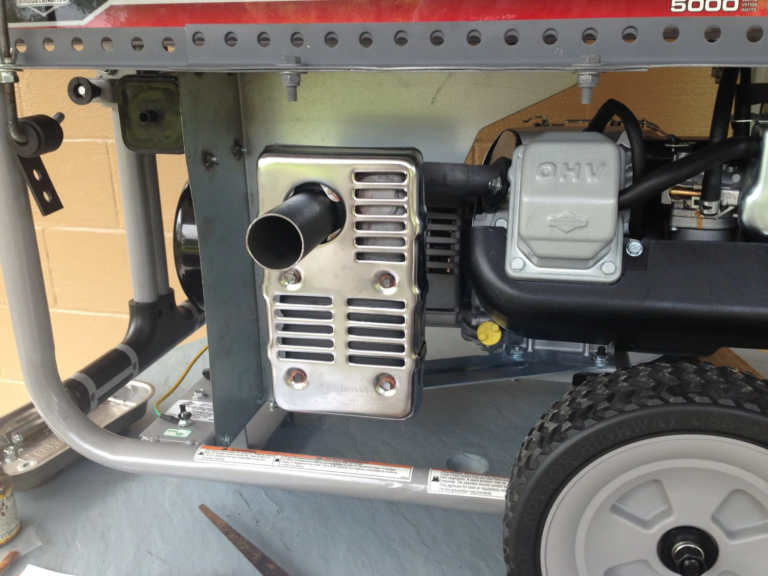
1. Portable Generators: Portable generators are the most versatile and widely used type. They are ideal for temporary situations like camping trips, outdoor events, or as a backup for small appliances during power outages. Portable Generators are usually gasoline-powered, although some models run on diesel or propane. Their mobility is a significant advantage, allowing users to move them as needed. However, they typically have limited power output compared to more substantial types and require manual start-up.
2. Standby Generators: Standby Generators are installed permanently and are designed to provide automatic backup power during outages. They are connected to the property’s electrical system and often run on natural gas or propane. These generators automatically switch on upon detecting a power outage, providing seamless power restoration. Standby generators are ideal for homes, hospitals, and businesses where continuous power is critical. They have higher power capacities than portable models and require professional installation and regular maintenance.
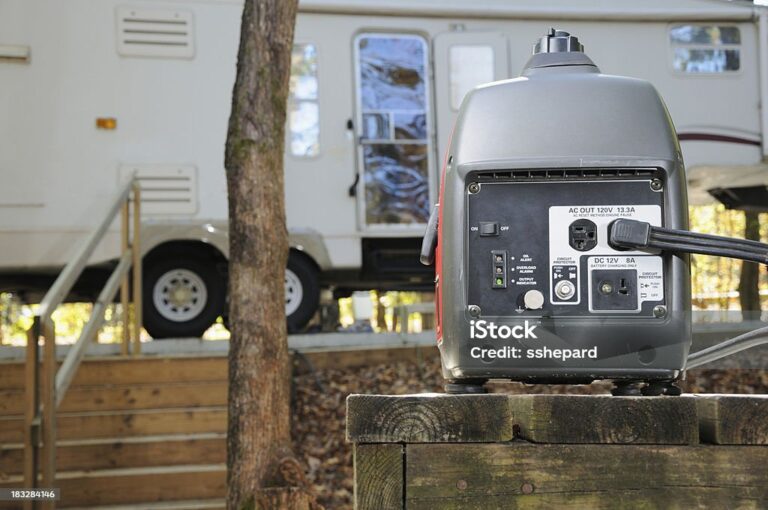
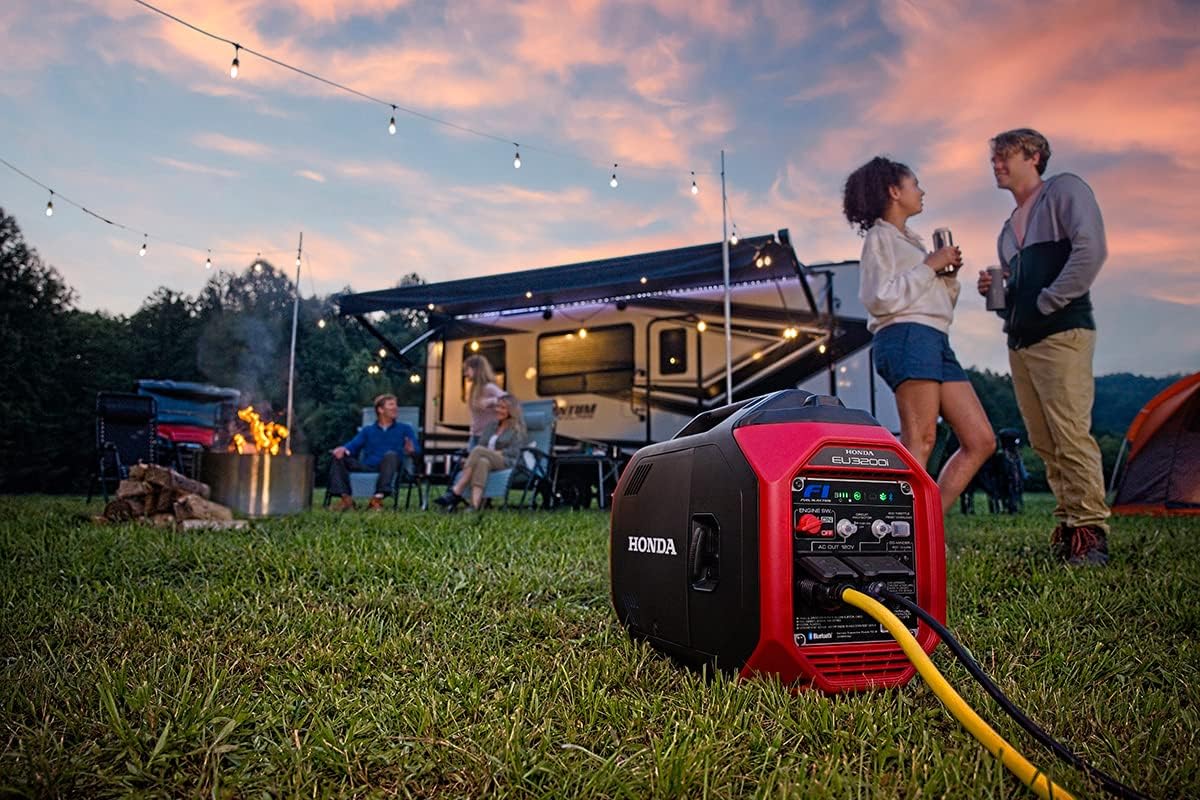
3. Inverter Generators: Inverter generators are known for their efficiency and the clean, stable power they produce. They are typically smaller and quieter than standard generators, making them suitable for sensitive electronic devices like laptops and smartphones. Inverter Generators adjust the electrical characteristics to match the load, leading to improved fuel efficiency and reduced emissions. They are perfect for camping, RV use, or as a supplementary power source for home use.
Power Requirements and Capacity
Understanding your power requirements is crucial in selecting the right generator. The capacity of a generator, measured in watts, determines how many and which types of appliances and devices it can power simultaneously. There are two key wattage figures to consider:
Starting Watts: The higher power required to create motor-driven products like refrigerators or air conditioners. Starting watts are only needed for the initial few seconds.
Running Watts: The continuous watts needed to keep items running. Appliances like lights and TVs will have only running watts.
When choosing a generator, it’s essential to calculate the total wattage of all the devices you plan to power. It ensures that the generator you select can handle the load without overload, which is vital for both the generator’s and your appliances’ safety and longevity. A good rule of thumb is choosing a generator with a capacity slightly higher than your calculated needs to provide a margin of safety and accommodate future needs.
Factors to Consider When Buying a Generator
When in the market for a generator, several crucial factors need to be considered to ensure that you select a model for the Best Electric Generator that suits your needs. These include:
1. Power Output
Importance: The power output, measured in watts, determines the number and type of appliances and devices the generator can support. Choosing a suitable power output generator is vital based on your specific requirements.
How to Assess: List all the devices and appliances you need to run simultaneously and calculate their total wattage. Consider the starting and running watts to ensure the generator can handle the initial surge when machines start.
2. Fuel Type
Options: Generators typically run on gasoline, diesel, and propane or are solar-powered.
Considerations:
Gasoline: Widely available but has a shorter shelf life and might require frequent refueling.
Diesel: More fuel-efficient and has a longer shelf life, but generators are often louder and heavier.
Propane: Cleaner burning, quieter, and stores longer but may have lower energy output.
Solar: Environmentally friendly, silent, and with no fuel costs, dependent on weather and generally less potent.
3. Run Time and Fuel Efficiency
Importance: The generator’s fuel economy and run time on a full tank are crucial for extended operation, mainly when refueling isn’t practical. Models with greater fuel efficiency and a longer run duration are what to look for. Backup during protracted outages is crucial.
4. Portability
Relevance: Portability becomes a significant factor if you need to move the generator between locations or store it when not in use.
Features: Dimensions: weight, handle or wheeled for more effortless mobility, and generator type.
5. Noise Level
Impact: Noise can be a significant concern, especially in residential areas or for activities like camping. Look for ratings that are lower in decibels. Generally speaking, inverter generators are a quieter choice.
6. Reliability and Brand Reputation
Why It Matters: Choosing a reliable generator from a reputable brand is crucial for ensuring durability, efficiency, and receiving quality customer support. A dependable generator provides peace of mind during critical times and tends to have a longer lifespan, reducing the need for frequent replacements.
How to Gauge: Customer Reviews and Brand History: Look for brands with a strong history in the industry and positive customer feedback. Brands like Honda Generator Generac, and Briggs & Stratton have established reputations for reliability in the generator market.
After-sales Service: Good after-sales service is essential for maintenance and potential repairs. Companies like Yamaha and Kohler are known for their customer service and support.
Warranties: A generous warranty can be a good indicator of the manufacturer’s confidence in their product. Caterpillar, for example, offers extensive warranties, reflecting their commitment to product quality and customer satisfaction.
When researching generators, consider these factors when choosing a brand that stands for reliability and excellence. Renowned brands often provide a balance of innovative features, proven performance, and reassurance in terms of service and support, making them a wise choice for long-term investment.
7. Environmental Considerations
Concerns: The environmental impact of generators is primarily related to emissions and fuel consumption.
Eco-friendly Options: Look for generators with lower emissions (like propane or solar-powered models) and those certified by environmental standards like EPA and CARB.
In summary, when choosing a generator, it’s crucial to balance your specific power needs with considerations like fuel type, efficiency, portability, noise levels, reliability, and environmental impact. It ensures you select a generator that meets your immediate requirements and aligns with your long-term usage and values.
Features to Look For in a Generator
Certain features can significantly enhance a generator’s functionality, safety, and convenience when purchasing it. Here are some key features to consider:
1. Automatic Start
Function: Allows the generator to start automatically during a power outage, which is crucial for standby generators.
Benefits: It provides immediate power restoration, significant in settings where constant power is critical, like hospitals or homes with medical equipment.
2. Multiple Outlets
Function: Enables the generator to power several appliances or tools simultaneously.
Benefits: Enables various devices to be connected without needing an additional power strip or extension wire, increasing versatility and usability.
3. Fuel Gauge
Function: Displays the current fuel level of the generator.
Benefits: Helps monitor fuel consumption and plan for refueling, essential for managing long-term power supply during extended outages.
4. Inverter Technology for Sensitive Electronics
Function: Produces clean and stable power safe for sensitive electronics like laptops, smartphones, and medical equipment.
Benefits: Prevents damage caused by power fluctuations, making it ideal for high-end electronics and outdoor recreational activities.
5. Safety Features
Circuit Breakers: Prevent overloading by cutting off power when the load exceeds the generator’s capacity.
Low Oil Shutdown: Automatically shut down the generator to prevent engine damage when oil levels are too low.
Benefits: These features ensure safe operation, prolong the generator’s life, and protect connected appliances from damage.
Incorporating these features into your decision-making process can lead to a more satisfying and reliable generator experience. They contribute to the generator’s operational efficiency and enhance safety and ease of use, making them valuable considerations for any potential generator buyer.
Cost Considerations When Buying a Generator
The initial cost of a generator is not the only expense involved with purchasing one. It’s imperative to consider the whole spectrum of costs associated with buying and maintaining a generator to make an informed decision. Here are the key cost considerations:
1. Initial Purchase Price
Overview: This is the upfront cost of the generator itself. Prices vary widely depending on the generator’s type, size, brand, and features.
Factors Influencing Price: Type of Generator: Standby generators generally cost more than portable or inverter generators due to their larger size and higher power output.
Brand and Features: Premium brands or models with advanced features like automatic start or inverter technology may command higher prices.
2. Operating Costs
Fuel Consumption: The type of fuel a generator uses (gasoline, diesel, propane, or solar) and its efficiency directly affect ongoing operating costs. Gasoline is generally more readily available but might be less efficient than diesel or propane.
Fuel Prices: Fluctuating fuel prices can significantly impact the cost of running a generator, especially during extended use.
3. Maintenance Expenses
Regular Maintenance: Generators require regular maintenance, including oil changes, filter replacements, and general servicing, to ensure they operate efficiently and have a long life.
Professional Servicing: Standby generators often require professional installation and periodic servicing, which can add to the overall cost. Portable generators are typically less expensive to maintain.
Replacement Parts: Over time, parts like batteries, spark plugs, and belts may need replacement, contributing to the maintenance cost.
Considering these costs in conjunction with your budget and the generator’s intended use is essential. For instance, a more expensive generator might be more fuel-efficient and have lower operating costs, making it more economical in the long run. Similarly, investing in a generator with a robust build and reliable performance might reduce maintenance expenses over time. Understanding these cost factors will help you make a choice that aligns with your immediate budget and long-term financial considerations.
Generator Sizing and Capacity
Choosing the right size and capacity for your generator is crucial for ensuring it meets your power needs without being overly expensive or inefficient. Here’s how to determine the appropriate size and understand the importance of calculating total wattage needs:
How to Determine the Right Size
List Your Essential Appliances and Devices: List all the appliances and devices you want to power with the generator. This list might include refrigerators, lights, heaters, air conditioners, computers, and medical equipment.
Calculate the Wattage Requirements
Find the Running and Starting Watts: Each appliance and device has specific wattage requirements. These are often listed in the product manual or on a label on the device. There are two types of wattages to note:
Running Watts: The continuous watts needed to keep the appliance running.
Starting Watts: The extra watts needed for a few seconds to start motor-driven products (like refrigerators or air conditioners). It can be significantly higher than running watts.
Add Up the Wattages: Sum the running watts of all the devices you plan to use simultaneously. Then, find the appliance with the highest starting watt requirement and add this to the total running watts. It gives you the total wattage requirement.
Consider Future Needs: Choosing a generator with a slightly higher capacity is wiser than your current calculations. It ensures the generator can handle any additional appliances or devices you might acquire.
Importance of Calculating Total Wattage Needs
Avoid Overloading: Overloading a generator can cause it to shut down or damage the generator and the appliances connected to it.
Cost-Efficiency: Buying a generator with far more capacity than you need can be unnecessarily expensive. Conversely, a generator that’s too small won’t be effective.
Fuel Efficiency: Generators run most efficiently at specific load levels. Knowing your wattage needs helps you choose a model that operates efficiently under your typical load.
By carefully calculating your total wattage needs and considering future requirements, you can select a generator that provides sufficient power without being excessively large or costly. It ensures efficient operation, longevity of the generator, and safety of
your appliances.
Installation and Maintenance of Generators
Proper installation and regular maintenance are vital to ensuring your generator’s safe operation and longevity. Here’s a breakdown of what this involves: Installation and Maintenance.
Professional Installation for Standby Generators:
Necessity: Standby generators require professional installation, given their complexity and integration with your home’s electrical system. It ensures they are correctly and safely connected and comply with local building codes and regulations.
Process: A professional installer will typically handle:
Site Preparation: Choosing a suitable location that complies with local codes (considering distance from the house, ventilation, etc.)
Electrical Connections: Safely connect the generator to your home’s electrical panel and ensure it does not back-feed electricity into the grid.
Fuel Source Connection: Properly connecting the generator to the fuel source, whether it’s natural gas, propane, or diesel.
Inspection and Testing: The system should be inspected after installation to ensure it functions correctly and safely.
Basic Maintenance Tips for Longevity:
Routine Checks: Regularly inspect your generator for any signs of wear, damage, or leaks.
Oil and Filter Changes: Change the oil and filter according to the manufacturer’s recommendations, typically after a certain number of hours of operation.
Air Filter Maintenance: Regularly clean or replace air filters to ensure efficient operation.
Fuel Maintenance: For gasoline generators, use fresh fuel and consider adding a stabilizer if the generator will not be used for an extended period. For diesel and propane generators, ensure the fuel supply is maintained and accessible.
Battery Care: Regularly check and maintain the battery, especially in standby generators, to ensure it’s charged and functional.
Professional Servicing: Schedule annual servicing with a professional, particularly for standby generators, to check electrical connections, fuel lines, and overall generator health.
Testing: Regularly run the generator for a short period to ensure it’s in good working order, especially before anticipated heavy usage periods, like storm seasons.
Adhering to these installation and maintenance guidelines can significantly enhance the performance and extend the lifespan of your generator, ensuring it’s ready and reliable when you need it most.
Safety Precautions for Generators
Proper safety measures are essential when operating generators to prevent accidents and ensure the well-being of users and those nearby. Key areas of focus should be the appropriate placement and ventilation of the generator, along with safe fuel storage and handling. Here’s a detailed look at each aspect:
Proper Placement and Ventilation
Location: Always operate generators outdoors and away from windows, doors, and vents to prevent carbon monoxide (CO) poisoning. CO is a colorless, odorless gas that can be lethal.
Ventilation: Ensure the generator is in a well-ventilated area. It is essential to avoid placing it in confined spaces to prevent CO buildup, even in outdoor settings.
Distance from Buildings: Follow manufacturer and local guidelines on where to place the generator from your home or building. It is not only a safety measure for CO but also for fire risk mitigation.
Elevation: Place the generator on a raised platform in areas prone to flooding or heavy rain to avoid water damage and potential electrical hazards.
Safe Fuel Storage and Handling
Fuel Storage: Store generator fuel in a properly labeled, UL-approved container. Keep the fuel in a cool, well-ventilated area away from living spaces and out of the reach of children. Avoid storing fuel near heat sources or potential sparks.
Refueling Safety: Please turn off the generator and let it cool down before refueling. Gasoline and other fuels can ignite if they come into contact with hot components. Always refuel in a well-ventilated area to avoid inhaling fumes.
Fuel Handling: To avoid spills, use a funnel or spout when transferring fuel to the generator. In case of a spill, please clean it up immediately and ensure the area is ventilated before starting the generator. Regularly check for leaks in the fuel system and address any issues immediately.
Fuel Type Compliance: Always use the fuel the manufacturer recommends for safety reasons and to avoid damaging the generator.
By adhering to these safety precautions, you can significantly reduce the risks associated with generator use. Remember that safety is paramount; these steps can protect you, your family, and your property.
Where to Buy Generators
When it comes to purchasing a generator, you have the option of buying it online or from a physical store. Each option has advantages, which can help you make an informed decision. Additionally, comparing prices and warranties is crucial in ensuring you get the best value for your investment. Here’s a guide to help you navigate these choices:
Online vs. Physical Stores
1. Online Stores
Advantages
Convenience: Shop from anywhere, at any time.
More comprehensive Selection: Access to a broader range of brands and models than might be available in local stores.
Price Comparisons: It is easier to compare prices across different retailers.
Customer Reviews: Access to customer reviews and ratings, which can provide real-world insights into the performance and reliability of the generators.
Considerations
Shipping Costs: Be aware of shipping costs, which can be significant due to the size and weight of generators.
Return Policy: Understand the return policy, especially for dealing with potential damages during shipping or issues upon arrival.
2. Physical Stores
Advantages
See Before Buying: Ability to see and assess the generator physically.
Immediate Purchase: You can take the generator home without waiting for delivery.
Personal Assistance: Access to sales assistance for queries and demonstrations.
Considerations:
Stock Limitations: Physical stores may have limited stock or variety compared to online offerings.
Price Comparison: Comparing prices may require visiting multiple stores.
Tips for Comparing Prices and Warranties
1. Price Comparison
Compare Across Multiple Platforms: Check online and in-store prices for the best deals.
Look for Sales and Discounts: Take advantage of sales, discounts, or seasonal offers.
2. Warranties
Length of Warranty: Longer warranties can offer more value and peace of mind.
Coverage Details: Understand what the warranty covers. Some warranties may cover parts but not labor, or vice versa.
Manufacturer vs. Retailer Warranty: Know whether the manufacturer or the retailer offers the warranty, as this can affect the claim process.
3. Additional Costs
Consider additional costs such as delivery for online purchases or extended warranties.
4. Read Reviews and Watch Out for Deals
Review reviews to gauge customer satisfaction and look for any information about the retailer’s customer service, especially regarding warranty claims and returns.
In summary, weigh the pros and cons of each option, whether buying online or from a physical store. Carefully compare prices and thoroughly understand warranty terms to ensure you get the best value and protection for your purchase. Remember, a lower price might not always be the best deal if it comes with a shorter warranty or poor customer service.
Conclusion:
As we conclude this comprehensive guide, let’s recap the key points to remember when selecting a generator. With insights from Generator Flow, we’ve explored the various types of generators, including portable, standby, and inverter models, and discussed the importance of understanding your power requirements and generator capacity. We delved into essential factors such as power output, fuel type, run time and fuel efficiency, portability, noise levels, reliability, brand reputation, and environmental considerations.
Generator Flow emphasizes that when purchasing a generator, it’s crucial to balance your needs with the features and specifications of different models. Whether preparing for emergency power outages, ensuring business continuity, or planning outdoor adventures, the right generator can make all the difference. Remember to consider the total cost of ownership, including initial purchase price, operating costs, and maintenance expenses. Additionally, safety should always be a top priority, focusing on proper placement, ventilation, and safe fuel storage and handling.
As you embark on your journey to purchase a generator, let the insights from Generator Flow guide you. Assess your requirements, compare different models, and make an informed decision. A well-chosen generator is not just a purchase but an investment in reliability and peace of mind. By choosing wisely based on your unique needs, you can ensure that you select a generator that will serve you well for years to come.