Generator Grounding Guide for Peak Performance and Safety
Generators play a pivotal role in providing power during outages and in remote locations. However, ensuring their efficient and secure operation involves more than just flipping a switch. This guide goes beyond the basics, delving into the crucial aspect of Generator Flow: grounding. Discover the profound importance of proper grounding, step-by-step execution, additional safety tips, and an exploration of intricate facets for ultimate safety and performance.
The Essential Role of Grounding in Generator Safety
Securing Electrical Pathways
Understand how grounding acts as a lifeline for generators, especially those handling high voltages. It establishes a controlled pathway for electrical currents, preventing potentially lethal shocks and safeguarding both individuals and equipment.
Enhancing Electrical System Stability
Explore how grounding contributes to the equilibrium of the electrical system, creating a stable reference point for voltage. This equilibrium ensures a consistent and smooth electrical flow, minimizing the risk of issues or malfunctions that could compromise generator performance.
Ensuring Regulatory Compliance
Discover why grounding is not just a safety measure but often a legal requirement. Local codes and regulations frequently mandate adherence to grounding guidelines, emphasizing its pivotal role in both safety and regulatory compliance.
The Art of Grounding: Step-by-Step Execution
Selecting the Optimal Location
Learn how to choose a flat, dry area away from water sources to enhance stability, a critical factor in the efficiency of the grounding process.
Utilizing a Copper Grounding Rod
Investigate the importance of driving a copper grounding rod at least 8 feet into the ground near the generator for a robust connection with the earth.
Connecting the Generator Frame
Discover the use of heavy-duty copper wire to connect the generator’s grounding terminal to the grounding rod, creating a direct and reliable path for electrical currents.
Routine Wiring Inspections
Understand the necessity of regularly inspecting wiring for wear or damage, ensuring the secure and effective continuation of the grounding connection.
Integration of Ground Fault Circuit Interrupters (GFCI)
Elevate safety with insights on installing GFCI outlets or adapters for an additional layer of protection against ground faults.
Thorough Safety Tips for Optimal Generator Operation
Keeping the Generator Dry
Explore the impact of operating the generator in a dry environment and the longevity benefits of providing a protective canopy.
Adhering to Manufacturer Guidelines
Understand why manufacturer recommendations are a roadmap for optimizing safety performance and maximizing efficiency and durability.
Using Proper Extension Cords
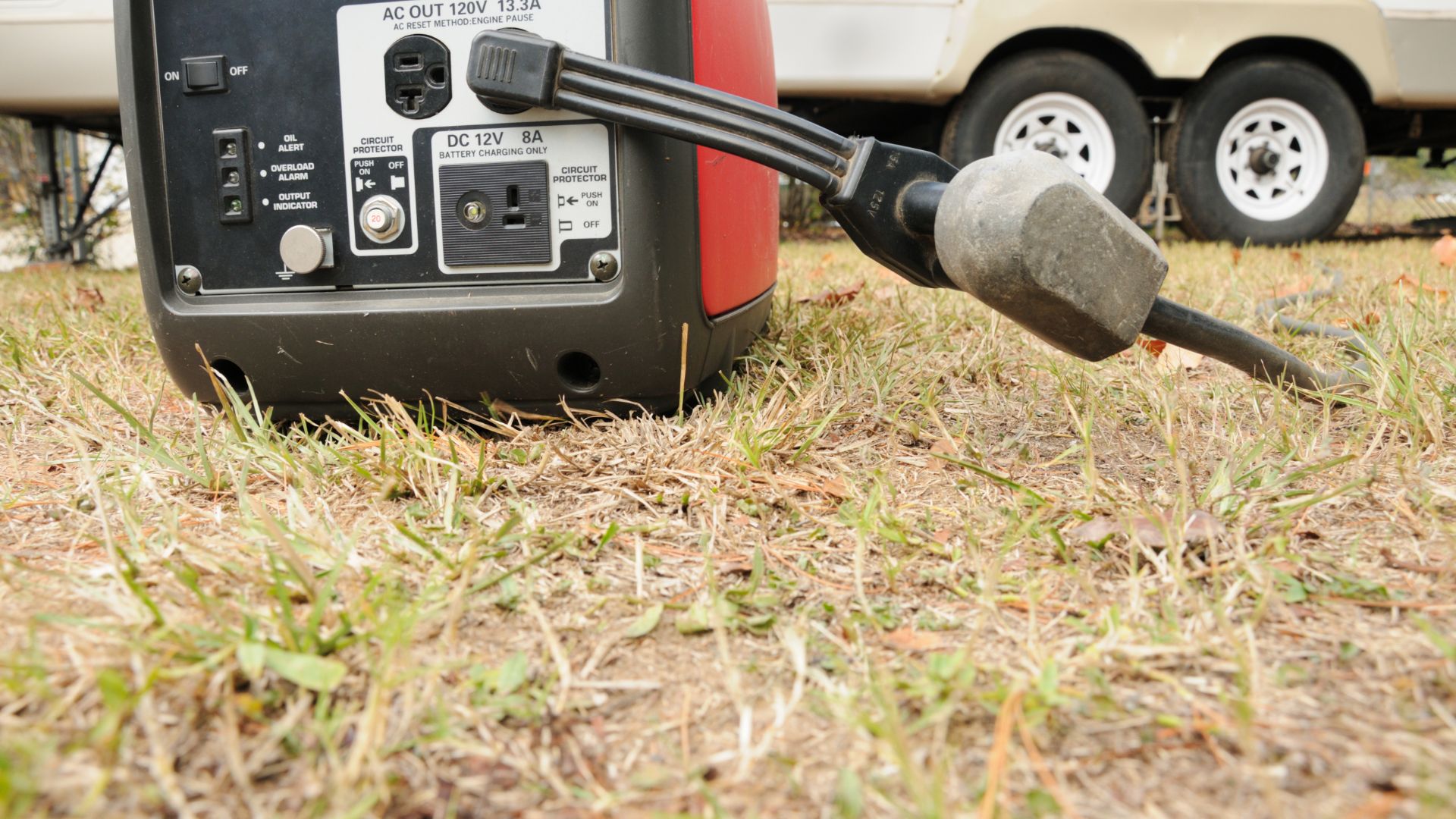
Learn about the importance of outdoor-rated extension cords in power distribution, minimizing the risk of overheating and electrical fires.
Avoiding Overloading
Discover the risks associated with overloading a generator and the importance of staying within its rated capacity.
A Comprehensive Perspective: Beyond Grounding
Acknowledging Environmental Considerations
Highlight the importance of considering environmental factors like temperature fluctuations, high humidity, or corrosive elements in generator operation.
Implementing Noise Reduction Measures
Explore the impact of Generators on noise pollution and ways to mitigate it through measures like enclosures or soundproofing.
Optimizing Fuel Storage and Handling
Understand the significance of proper fuel storage in approved containers and following handling procedures to minimize the risk of fires.
Emergency Response Planning
Emphasize the critical role of preparation by developing an emergency response plan, including shutdown procedures, electrical fire response, and evacuation protocols.
Embracing Remote Monitoring Systems
Explore the use of technology for enhanced safety with remote monitoring systems, providing real-time data on performance and potential issues.
Conclusion:
Properly grounding a generator is not just a checkbox; it’s a foundational element of responsible generator use. Follow the comprehensive steps outlined in this guide and integrate additional safety measures to harness the power of generators without compromise confidently. Let Generator Flow be the beacon of light in the darkest hours, providing a reliable and safe source of energy. Elevate your understanding, implement these measures, and master generator safety for optimal performance and security