Discover Your Perfect Power Partner with the Best Gasoline Generators Guide
In our hyper-connected world, where constant connectivity and uninterrupted power are not just conveniences but necessities, the importance of a reliable and portable power source cannot be overstated. Gasoline generators, versatile and efficient, have become indispensable in providing power solutions for various applications. This comprehensive guide aims to take you through the Generator Flow, delving deeper into the intricate details of Gasoline Generators. We will cover fundamental mechanics, explore advanced technologies, and provide practical considerations. Join us on this journey as we navigate specific aspects, catering to various needs, from home use to camping adventures, to provide a thorough understanding of these powerhouses.
Understanding Gasoline Generators
Mechanism and Operation
At the heart of gasoline generators lies a system that transforms mechanical energy into electrical energy. These generators, composed of an internal combustion engine, a generator head, and a fuel system, burn gasoline to provide mechanical energy that is subsequently converted into an easily accessible electrical power source. The versatility and suitability of gasoline generators in a wide range of situations are based on this essential idea.
Exploring Types
Portable Generators for Home Use
Gasoline generators tailored for home use are designed for mobility and versatility. With varied sizes catering to specific power needs for different home scenarios, these generators ensure a reliable power supply during unexpected outages.
Quiet Gasoline Generators for Home
For households in noise-sensitive environments, generators specifically designed for quiet operation become essential. These units provide unobtrusive power solutions, ideal for maintaining a peaceful home environment.
Portable Generators for Camping
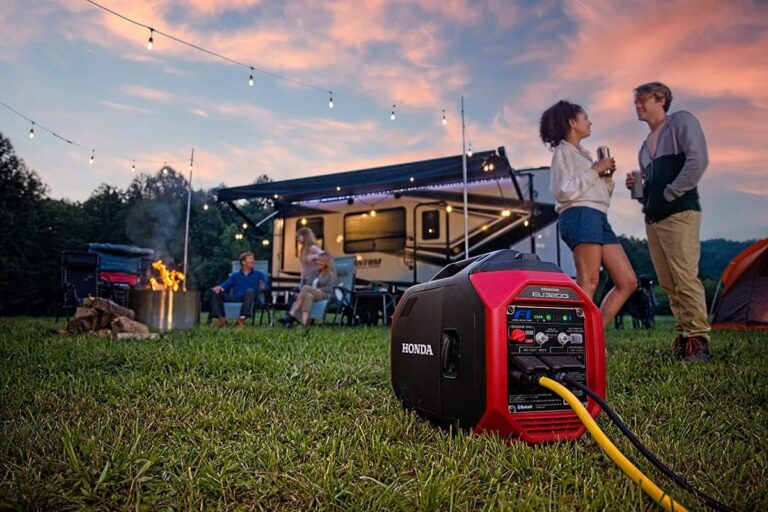
Compact and lightweight designs make gasoline generators perfect companions for on-the-go power during camping adventures. These generators ensure a reliable power supply for essential camping equipment, enhancing the overall outdoor experience.
RV Gasoline Generators
Specifically engineered to cater to the distinct energy requirements of recreational vehicles (RVs), these generators present a portable yet potent option for power supply when on the go. RV travelers can experience the flexibility of travelling without sacrificing necessary comforts.
Generator Power Output and Wattage
Understanding the power needs is pivotal when selecting a gasoline generator. For home use, it involves assessing the generator’s wattage capacity, ensuring it meets the demands of household appliances. Additionally, Camping Generators should be compact yet powerful enough to support essential camping equipment.
Fuel Capacity and Runtime
Generators for home use require sufficient fuel capacity for extended runtime during power outages. Portable generators for camping should balance fuel efficiency with runtime to ensure a reliable power source during outdoor adventures.
Noise Level and Portability
Quiet generators for home use are essential, especially in noise-sensitive environments. Manufacturers of portable generators for camping often prioritize quiet operation to enhance the outdoor experience. Portability is a crucial consideration, with camping generators featuring ergonomic handles and lightweight designs for easy transport to remote locations.
Key Features and Components: Gasoline Generator
Power Output and Wattage
The power output of a generator is directly linked to its wattage capacity. Home generators should be equipped with enough power to handle essential appliances, considering both starting and running wattages. In contrast, camping generators should balance power output with portability, ensuring they meet the demands of outdoor equipment without being overly cumbersome.
Fuel Capacity and Runtime
Fuel capacity and runtime are critical considerations for both home and camping generators. Home generators, intended for extended use during power outages, benefit from larger fuel tanks to prolong runtime. Camping generators, on the other hand, should strike a balance between fuel efficiency and runtime to cater to outdoor activities without frequent refueling.
Noise Level
The noise level of a generator is a crucial factor, particularly for home use where quiet operation is paramount. Look for generators with low decibel ratings or those labelled explicitly as quiet generators. For camping, quiet operation not only ensures a pleasant outdoor experience but also helps adhere to noise regulations in campgrounds and natural settings.
Portability and Design
Portability is a crucial feature for camping generators. Compact and lightweight designs, complemented by features such as handles and wheels, make it easy to transport the generator to various outdoor locations. Home generators, while not requiring the same level of portability, should still be designed for ease of installation and potential relocation within the home.
Selecting the Right Gasoline Generator
Assessing Power Needs
When choosing a gasoline generator for home use, assess the simultaneous operation of appliances and account for starting wattage. Consider essential appliances like refrigerators, air conditioners, and sump pumps that may require higher starting wattages. For camping, evaluate the power requirements of outdoor equipment such as camping stoves, lights, and electronic devices.
Brand Reputation and Reviews
The reputation of the generator brand is a critical consideration for both home and camping scenarios. Reputable brands like Honda, Generac, and Yamaha are known for their reliability, durability, and customer support. User reviews provide valuable insights into real-world performance, highlighting strengths and potential drawbacks.
Fuel Efficiency and Runtime
Fuel efficiency is a crucial aspect, affecting both cost-effectiveness and environmental impact. Home generators should prioritize fuel efficiency to maximize runtime during extended power outages. Camping generators benefit from fuel efficiency to extend outdoor adventures without the need for frequent refuelling.
Noise Considerations
Noise considerations are essential for home generators, especially in residential areas. Look for generators with low noise levels or those labelled as quiet models. Camping generators should also prioritize quiet operation to enhance the overall outdoor experience.
Safety Considerations and Maintenance Tips
Generator Placement
Proper placement of home generators is crucial for safety during power outages. Locate generators in well-ventilated areas to prevent overheating. Camping generators should be placed in areas that allow for proper ventilation to avoid potential hazards.
Grounding
Proper grounding is essential for both home and camping generators to minimize the risk of electrical shocks. Adhere to manufacturer guidelines for safe usage in various environments.
Maintenance Schedule
Regular maintenance is vital for the longevity and optimal performance of gasoline generators. Follow the manufacturer’s maintenance schedule, including tasks like oil changes, air filter replacement, and spark plug inspection.
Fuel Storage
For home generators, using fuel stabilizers during extended outages ensures the gasoline remains viable. Follow manufacturer recommendations for fuel storage to prevent deterioration. Camping generators benefit from proper fuel storage practices to maintain reliability during outdoor excursions.
Beyond the Basics
Advanced Technologies
Explore advanced technologies that can enhance the performance and efficiency of gasoline generators.
Inverter Generator Technology
Inverter generators provide clean and stable power output, making them suitable for sensitive electronics. They are known for their fuel efficiency and reduced noise levels, making them versatile for both home and camping use.
Parallel Capability
Some generators offer similar capabilities, allowing users to connect two generators for increased power output. This feature can be beneficial for home use during high-demand periods or for camping when additional power is needed.
Automatic Voltage Regulation (AVR)
AVR ensures a stable voltage output, protecting sensitive electronics from voltage fluctuations. This feature is particularly relevant for home generators powering electronic devices and appliances.
Smart-Throttle Technology
Smart-throttle technology adjusts the engine speed based on the load, optimizing fuel efficiency. It is advantageous for camping generators, where power needs may vary during outdoor activities.
Eco-Friendly Options
Consider eco-friendly options to align with the growing emphasis on sustainability.
Dual-Fuel Generators
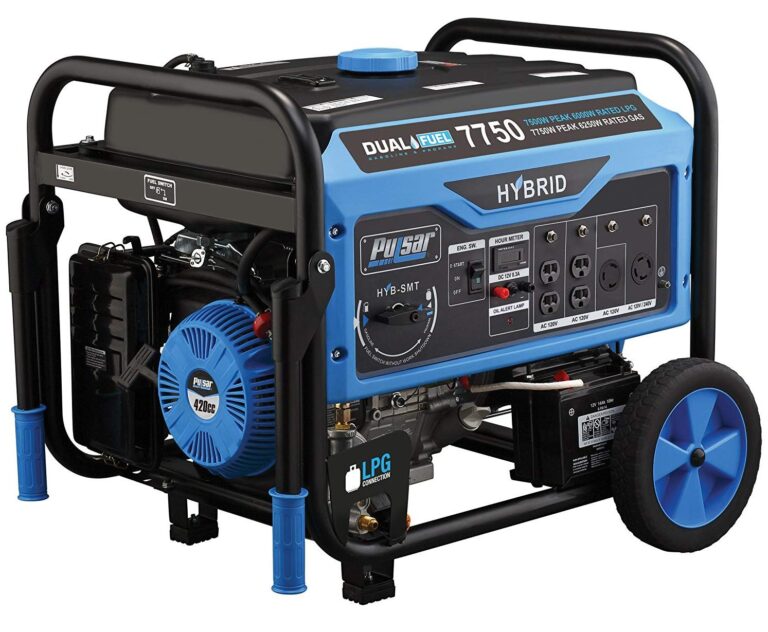
Dual-fuel Generators can run on both gasoline and propane, offering flexibility in fuel choices. This option is suitable for home use, providing an alternative fuel source during emergencies.
Comparing Gasoline to Diesel Generators
Diesel generators are known for their fuel efficiency and durability. Consider the specific needs and preferences when comparing gasoline and diesel generators for home or camping use.
Propane-Powered Generators
Propane generators produce fewer emissions compared to gasoline generators. They are a cleaner-burning option, suitable for users with environmental concerns.
Accessories and Safety Features
Explore accessories that can enhance the usability and safety of gasoline generators.
Generator Covers
Covers protect generators from the elements, extending their lifespan. For home generators, covers can protect against dust and debris during periods of inactivity.
Wheel Kits
Wheel kits facilitate the movement of generators, making them more portable and easy to transport. It is particularly beneficial for camping generators used in various outdoor locations.
Transfer Switches
Transfer switches enable seamless transitions between the generator and the main power supply. For home generators, transfer switches ensure a smooth button to back up power during outages.
Remote Start Kits
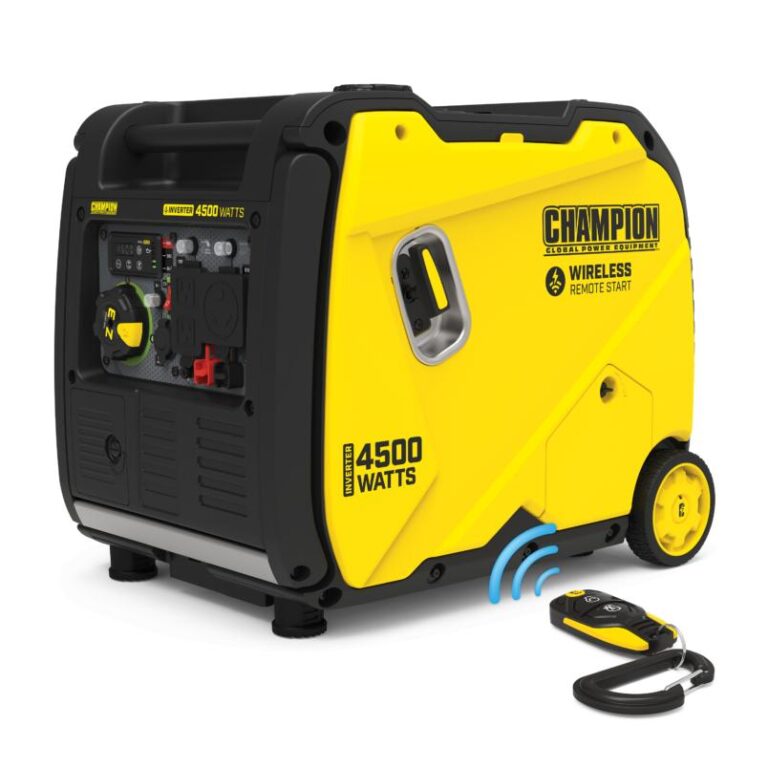
Remote start kits add convenience, allowing users to start the generator from a distance. This feature can be beneficial for both home and camping generators, providing ease of use.
Safety Features
Automatic shut-off, low oil shutdown, and overload protection are crucial safety features. These features protect the generator and connected devices from potential damage.
Off-Grid Living and Government Incentives
Explore considerations for off-grid living and potential government incentives.
Off-Grid Power Solutions
In addition to gasoline generators, consider alternative power solutions for off-grid living. Solar generators and battery generators can complement or serve as alternatives to traditional gasoline generators.
Government Incentives
Stay informed about government incentives, including energy efficiency rebates and tax credits. Some regions may offer incentives for adopting eco-friendly and energy-efficient power solutions.
Conclusion
In conclusion, gasoline generators stand as versatile power sources, catering to diverse needs from home use to outdoor adventures. By delving into their intricate details, exploring advanced technologies, and considering eco-friendly options, users can make informed decisions when choosing a generator that aligns with their specific requirements. Whether providing a lifeline during power outages, enhancing the outdoor experience, or contributing to sustainable living, gasoline generators ensure users remain connected and empowered.
As technology advances, these power solutions continue to evolve, addressing the unique demands of an ever-changing world. With considerations for home use, camping, and eco-friendliness, gasoline generators stand as indispensable companions for those seeking reliable and portable power solutions. Embrace the power on the go and let gasoline generators empower your lifestyle, ensuring you have the energy you need wherever life takes you.