Optimizing Generator Runtime for Optimal Performance
In our modern world, where consistent access to electricity is a cornerstone of daily life, the importance of generator runtime cannot be overstated. Generators, crucial components of the Generator Flow Team’s portfolio, are not just emergency equipment; they are integral to a variety of applications ranging from residential backup power to industrial and commercial use. This comprehensive guide delves into the intricacies of generator runtime, exploring the factors that influence it, methods for its calculation and optimization, and the critical role it plays across different sectors.
Determining Generator Runtime
Fuel Capacity and Consumption
Understanding the relationship between a Generator’s fuel capacity and its consumption rate is crucial for determining runtime. This knowledge is particularly vital in situations where refueling options are limited, such as in remote areas or during extended power outages. For example, knowing the operational duration of a generator with a 5-gallon fuel tank is essential for effective planning and can be the difference between sustained power supply and unexpected blackouts.
Fuel Type and Energy Density
The type of fuel used in a generator significantly affects its runtime. Different fuels like diesel, gasoline, propane, and natural gas vary not only in availability and cost but also in energy density. Energy density refers to the amount of energy stored in a given system or space per unit volume. Diesel engines, recognized for their efficiency, generally offer longer runtimes compared to gasoline engines due to diesel’s higher energy density. It makes diesel generators a popular choice in industrial applications where extended runtime is critical.
Efficiency and Load Management
A generator’s efficiency is a measure of its ability to convert fuel into electrical power. High-efficiency generators are capable of producing more electricity from a given amount of fuel, thus extending their runtime. Load factor, another critical aspect, refers to the percentage of the generator’s capacity being utilized at any given time. Operating a generator at or near its total capacity will naturally result in a shorter runtime compared to running it at a partial load. Understanding and managing these aspects can significantly aid in optimizing a generator’s operational duration.
Advanced Calculations and Maximizing Runtime
Utilizing Runtime Calculators
In today’s digital age, Portable Generator runtime calculators have become invaluable tools. They allow users to input specific data—such as fuel type, generator efficiency, power load, and even environmental conditions—to receive more accurate runtime estimations. This precision is indispensable for ensuring uninterrupted power supply in critical situations like medical emergencies, data Centre operations, and extended outdoor events.
Maintenance and Runtime
The correlation between regular maintenance and generator runtime is profound. Keeping a generator well-maintained, which includes routine running to ensure lubrication of parts and prevent deposit buildup, is essential for maximizing its efficiency and lifespan. It is particularly true for diesel generators, where the consequences of neglect can be severe, leading to reduced efficiency and even complete system failures. Regular maintenance schedules should include oil and filter changes, cooling system checks, and overall inspections to ensure optimal performance.
Generator Runtime Chart
To provide a practical perspective on how various factors influence generator runtime, here is an illustrative chart using hypothetical data:
Example of a Generator Runtime Chart
| Fuel Capacity (Gallons) | Fuel Consumption Rate (Gallons/Hour) | Load Factor | Estimated Runtime (Hours) |
| 5 | 0.5 | 1 (100%) | 10 |
| 5 | 0.5 | 0.75 (75%) | 13.33 |
| 5 | 0.5 | 0.5 (50%) | 20 |
| 10 | 0.5 | 1 (100%) | 20 |
| 10 | 0.5 | 0.75 (75%) | 26.67 |
| 10 | 0.5 | 0.5 (50%) | 40 |
| 10 | 1 | 1 (100%) | 10 |
| 10 | 1 | 0.75 (75%) | 13.33 |
| 10 | 1 | 0.5 (50%) | 20 |
| 10 | 1 | 1 (100%) | 20 |
| 20 | 1 | 0.75 (75%) | 26.67 |
| 20 | 1 | 0.5 (50%) | 40 |
How to Read the Chart
Fuel Capacity: This column represents the total amount of fuel the generator can hold.
Fuel Consumption Rate: Indicates how much fuel the generator uses per hour.
Load Factor: Expressed as a decimal or percentage, this shows how much of the generator’s capacity is being used. A load factor of 1 means the generator is running at total capacity.
Estimated Runtime: Calculated based on fuel capacity, consumption rate, and load factor. It provides an at-a-glance view of how different factors affect a generator’s runtime.
This chart serves as a quick reference for estimating how long a generator will run under various conditions. These are hypothetical values; actual runtimes may vary based on specific generator models and operational conditions.
Insights into Continuous Operation
Portable vs. Stationary Generators
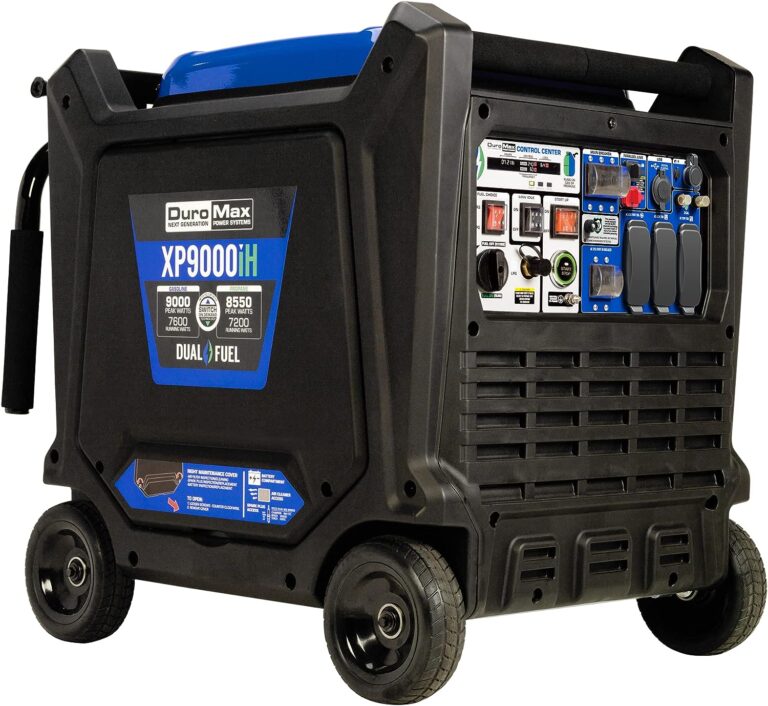
The specific requirements of the user dictate the choice between portable and stationary generators. Portable generators, with their smaller fuel tanks and compact designs, are suited for temporary solutions such as powering outdoor events, emergency home use, or construction sites where mobility is a priority. In contrast, stationary generators are designed for permanent installation, often as a part of a building’s infrastructure. They are typically more robust, with larger fuel capacities and advanced features like automatic start-up during power outages and noise reduction capabilities, making them ideal for continuous, long-term operation in settings such as hospitals, commercial buildings, and industrial facilities.
Gas Generator Specifics
Gasoline Generators are a common choice for many due to their availability and ease of use. However, when selecting a gas generator, one must consider the balance between tank size and fuel efficiency. While larger tanks offer extended runtime, they also make the generator bulkier and more expensive. The efficiency of the engine is another crucial factor; more efficient engines consume less fuel for the same power output, thereby extending the runtime. Users need to evaluate these aspects based on their specific needs, such as fuel availability, storage options, and power requirements.
Clarifying Regenerator Runtime
It’s important to distinguish that “regenerator runtime” is a term specific to software development, particularly in JavaScript programming, and has no connection to physical power generators. It relates to the process of converting modern JavaScript code into a format that is compatible with older browsers, ensuring wider accessibility of web applications.
Practical Applications and Case Studies
Generators find their use in a multitude of sectors, each with unique requirements. Hospitals and healthcare facilities, for example, rely on generators for life-saving equipment and critical systems during power outages. Data centres need uninterrupted power to maintain data integrity and server functionality. In construction and remote site operations, generators are the primary power source, making their runtime a critical factor in project timelines and efficiency. Examining case studies from these sectors can provide valuable insights into the practical applications and significance of generator runtime.
Environmental Considerations and Sustainability
The environmental impact of generators, particularly those running on fossil fuels, has become a significant concern. The emissions from diesel and gasoline generators contribute to air pollution and climate change. It has led to a growing interest in more sustainable alternatives like solar-powered generators, hybrid models, and the use of biofuels. These options not only mitigate environmental impact but also offer the benefits of renewable energy sources, such as reduced operational costs and less reliance on fossil fuel supply chains.
Technological Advancements and Future Trends
The generator industry is evolving rapidly, with technological advancements leading to more efficient, eco-friendly, and intelligent systems. Innovations include:
- The integration of renewable energy sources.
- The development of generators with variable output capabilities.
- The incorporation of intelligent technologies for remote monitoring and automated control.
These advancements are reshaping the landscape of power generation, making generators more adaptable to a variety of needs while also aligning with global sustainability goals.
Safety Protocols and Best Practices
Operating generators, especially in enclosed or poorly ventilated areas, poses several safety risks, including carbon monoxide poisoning, fire hazards, and electrical shocks. Adhering to safety protocols is paramount. It includes proper installation, ensuring adequate ventilation, regular inspection of electrical connections, and adherence to the manufacturer’s safety guidelines. Implementing these best practices is crucial for preventing accidents and ensuring safe and reliable generator operation.
In-Depth Selection Guide
Selecting the right generator requires careful consideration of several factors beyond just power needs. Prospective buyers should assess the fuel type and availability, operational environment (including noise and emission restrictions), maintenance requirements, and total cost of ownership. Factors like portability, ease of use, and compatibility with existing systems are also important. Understanding these elements can help in choosing a generator that not only meets immediate power needs but also aligns with long-term operational goals and budgets.
Conclusion
Generator runtime is a multifaceted aspect of power generation that demands careful consideration and understanding. From emergency backup in critical healthcare facilities to powering remote construction sites, the role of generators, as emphasized by the Generator Flow Team, is indispensable in ensuring a steady and reliable power supply. As technology advances and the focus on sustainability intensifies, the importance of informed usage, regular maintenance, and safety adherence becomes more pronounced. By understanding and effectively managing a generator’s runtime, users can maximize efficiency, minimize environmental impact, and ensure uninterrupted power in a variety of settings.