Powering the World with an In-Depth Exploration of Generator Fuels
Generators, often overlooked in their role as modern-day heroes, stand as indispensable assets in ensuring uninterrupted power in emergencies, remote locations, and various situations. This exhaustive exploration delves into the diverse fuels propelling generators, examining their characteristics, applications, and profound impact on our daily lives. From conventional to cutting-edge, this article aims to provide a comprehensive understanding of the fuels energizing the engines behind our power needs.
1. Standby Generators:
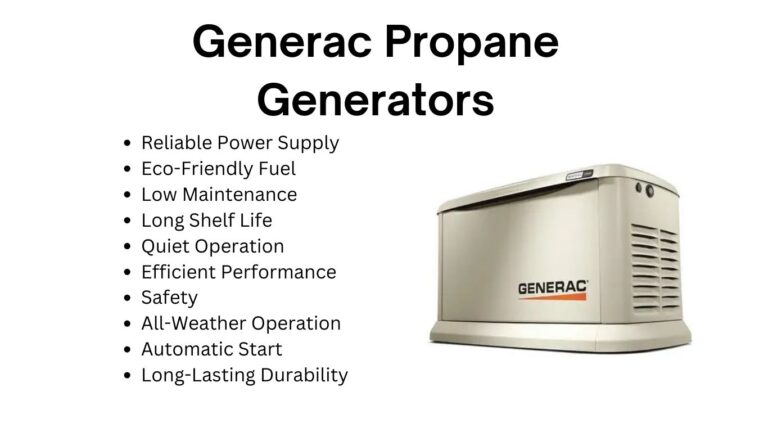
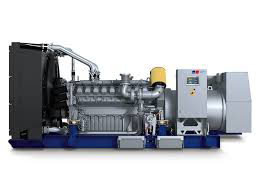
Standby generators, a stalwart ensuring uninterrupted power, are permanently integrated into electrical systems. Equipped with automatic transfer switches, they seamlessly transition during outages, making them indispensable for critical residential, commercial, and industrial applications.
Features
Standby generators are permanently installed and wired into the electrical system. They are equipped with automatic transfer switches for seamless power transitions during outages.
Applications
Standby generators find crucial applications in residential, commercial, and industrial settings. They ensure uninterrupted power supply for critical systems like medical equipment, data centers, and emergency lighting.
Installation Considerations
Professional installation is essential for a seamless integration with the electrical system. Regular maintenance is required to ensure optimal functionality during emergencies.
2. Portable Generators:
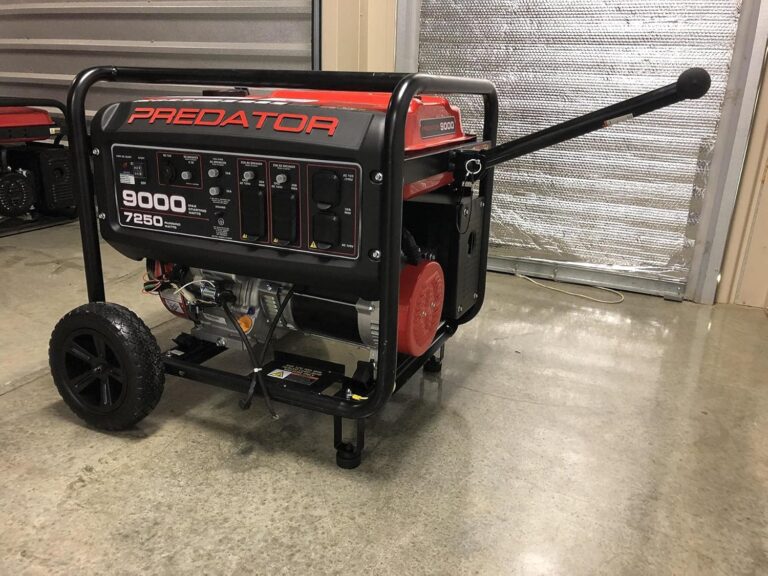
Portable generators, compact and versatile, serve as on-the-go power solutions. Whether for camping or construction sites, their lightweight design and various fuel options, including gasoline, propane, or diesel, make them an essential choice for users prioritizing flexibility and convenience.

Features
Portable generators are compact, lightweight, and designed for easy transportation. They come in various power output options, ranging from small camping models to larger construction site units.
Fuel Options
Portable generators run on various fuels, including gasoline, propane, or diesel. Users can choose the fuel type based on availability, convenience, and specific requirements.
Safety Considerations
Proper ventilation is crucial to prevent carbon monoxide buildup. Careful fuel storage and regular maintenance are essential for safe operation.
3. Inverter Generators:
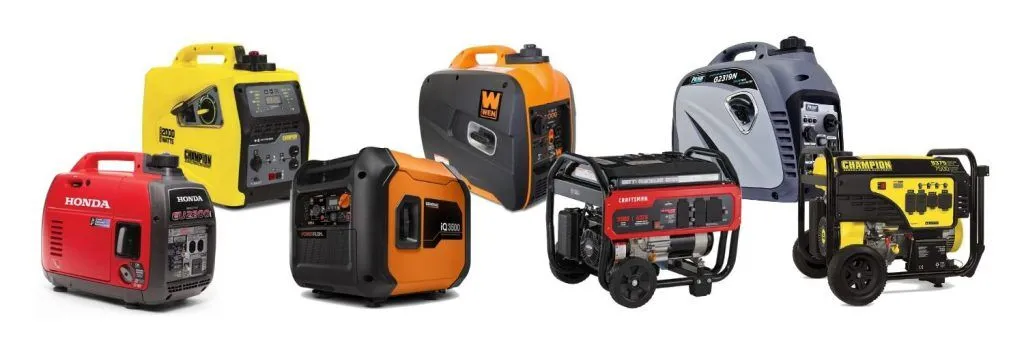
Inverter generators redefine clean power for modern needs. Their stable and clean output, coupled with advanced electronics, caters to sensitive electronic devices. With variable-speed engines and quiet operation, they are ideal for camping and outdoor events and have reliable backup power.
Clean Power
Inverter generators produce stable and clean power, making them suitable for sensitive electronic devices. They use advanced electronics to maintain a consistent voltage output.
Differences from Conventional Generators
Inverter generators utilize variable-speed engines for greater fuel efficiency. They operate more quietly compared to traditional generators.
Applications
Commonly used for camping, outdoor events, and as a reliable backup power source.
4. Induction Generators:
Efficient and sustainable, induction generators operate on electromagnetic principles, making them pivotal in renewable energy systems. Their role in harnessing energy from wind and hydroelectric power aligns with the global push for eco-friendly solutions.
Efficiency
Induction generators operate on the principles of electromagnetic induction, ensuring high efficiency. They are commonly used in renewable energy systems.
Renewable Energy Systems
Induction generators are pivotal in harnessing energy from renewable sources like wind and hydroelectric power. Their efficiency makes them valuable in converting mechanical energy into electrical power.
Contributions
Induction generators contribute significantly to sustainable energy practices, reducing reliance on non-renewable resources.
5. Industrial Generators:
Industrial generators, synonymous with power reliability, boast high output and customizability. Tailored for large-scale industries, they feature load management, automatic startup/shutdown, and remote monitoring, ensuring a steady power supply for critical operations.
Specifications
Industrial generators are characterized by their high power output and robust design. They are often customizable to meet the specific needs of large-scale industries.
Customization
Custom features include load management systems, automatic startup/shutdown, and remote monitoring. These generators are tailored to ensure a reliable and uninterrupted power supply for industrial operations.
Role
The primary role of industrial generators is to safeguard against power outages that could disrupt critical processes in industrial settings.
6. Gasoline Generators:
Popular for their quick startup and widespread availability, gasoline generators find applications in residential backup power and portable scenarios. Considerations such as proper storage and maintenance are vital for their optimal performance.
Advantages
Gasoline generators are popular due to their widespread availability and ease of use. They are known for quick startup capabilities and accessibility of fuel sources.
Considerations
Users need to consider factors such as proper storage, regular maintenance, and the environmental impact of using gasoline. Gasoline generators may have limited fuel storage duration compared to other fuel types.
Applications
Common applications include residential backup power, outdoor activities, and as a portable power source.
7. Natural Gas Generators:
Natural gas generators are recognized for their clean-burning nature and reliable power supply. Their lower environmental impact, especially in residential and commercial settings, makes them eco-friendly for continuous power needs.
Clean-Burning Nature:
Natural gas generators are recognized for their clean-burning nature, reducing emissions and contributing to environmental sustainability.
Applications
They are commonly used for residential backup power and in commercial settings where a continuous and reliable power supply is essential. Natural gas generators are favored for their lower environmental impact compared to some traditional fuel types.
Environmental Impact
The cleaner combustion of natural gas in generators has a positive impact on reducing the overall environmental footprint.
8. Diesel Generators:
Efficient and durable, diesel generators excel in industrial settings, remote locations, and critical facilities. With a consistent power supply, they prove essential where interruptions are costly, offering reliability in diverse applications.
Efficiency and Durability
Diesel generators are known for their fuel efficiency and durability. They are reliable for long-term use, making them suitable for various applications.
Applications
Widely used in industrial settings, remote locations, and critical facilities such as hospitals. The consistent power supply makes them essential for applications where interruptions are costly.
Safety Considerations
Diesel is less flammable than gasoline, providing a safety advantage in certain scenarios.
9. Biodiesel Generators:
Contributing to sustainability, biodiesel generators harness biofuels from renewable sources. Their reduced carbon footprint aligns with the global shift towards cleaner energy alternatives, reflecting the growing demand for eco-friendly solutions.
Sustainability
Biodiesel generators contribute to sustainability by utilizing biofuels derived from renewable sources. They reduce reliance on traditional fossil fuels, aligning with global efforts for cleaner energy.
Environmental Impact
Using biodiesel results in a reduced carbon footprint, contributing to environmental sustainability. Biodiesel generators are part of the growing movement towards eco-friendly energy solutions.
Growing Demand
There is an increasing demand for biodiesel generators in residential and commercial settings, reflecting a shift towards more environmentally friendly energy solutions.
10. Emulsified Diesel Generators:
Embracing advanced emulsification technology, these generators prioritize cleaner combustion and reduced emissions. Positioned for long-term viability, they contribute to sustainable power generation with minimal environmental impact.
Cleaner Combustion
Emulsified diesel generators employ advanced emulsification technology for cleaner combustion. They are designed to reduce emissions, addressing environmental concerns.
Benefits
These generators maintain efficiency while contributing to long-term sustainability. Emulsified diesel generators promote environmental sustainability, making them a viable option for the future.
Long-Term Viability
The environmental benefits position emulsified diesel generators as a long-term solution for power generation with reduced impact.
11. Propane Generators:
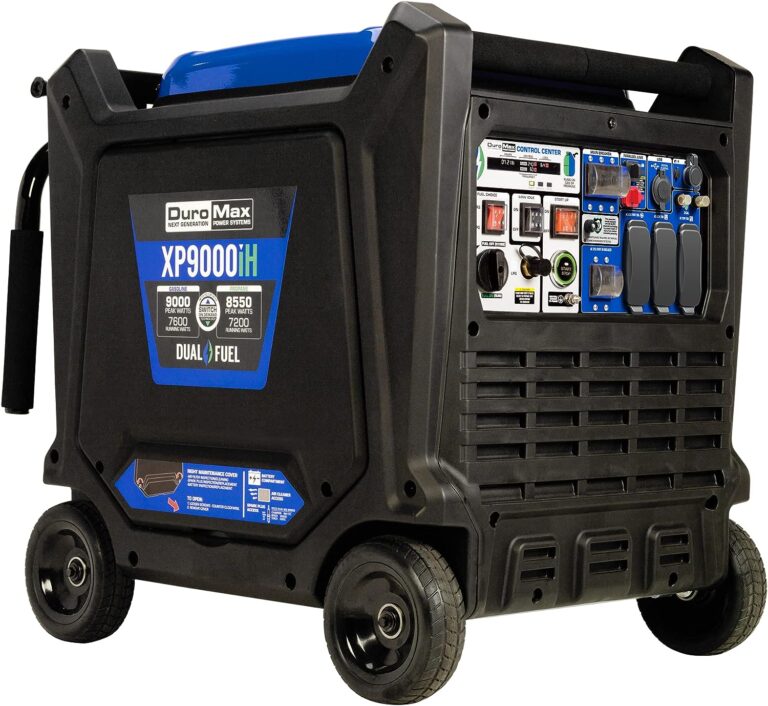
Offering a cleaner alternative, propane generators reduce emissions and provide versatility. Stored in tanks for enhanced transportability, they prove convenient for various applications, from residential backup power to recreational activities.
Clean Alternative
Propane generators provide a cleaner alternative to traditional fuels, reducing emissions and environmental impact.
Versatility
Their versatility makes them suitable for various settings, including residential backup power scenarios and recreational activities. Propane is stored in tanks, enhancing the transportability of generators and making them convenient for different applications.
Transportability
Pooling propane in tanks enhances the transportability of generators, making them convenient for various applications.
12. Solar Generators:
Harnessing energy from the sun, solar generators epitomize renewable power solutions. Comprising solar panels and battery storage, they offer reliable off-grid living, camping, and emergency power, symbolizing a sustainable and eco-friendly choice.
Renewable Source:
Solar generators harness energy from the sun, providing a renewable and sustainable power source.
Components:
Solar generators typically comprise solar panels and battery storage systems, allowing for energy capture and storage. The solar panels convert sunlight into electricity, stored for use during periods of low or no sunlight.
Applications
Commonly used in off-grid living, camping, and as a reliable power source during emergencies.
13. Hydrogen Generators:
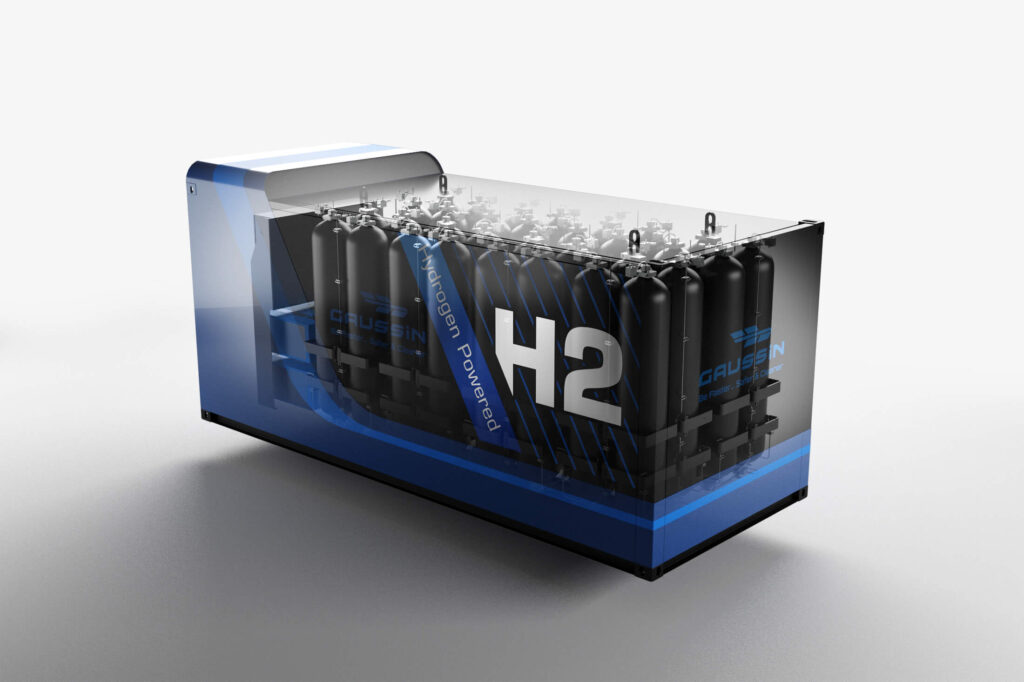
At the forefront of cutting-edge technology, hydrogen generators tap into the energy potential of hydrogen gas. Utilizing advanced production methods, including electrolysis and reforming, they represent a futuristic solution in sustainable energy landscapes.
Cutting-Edge Technology
Hydrogen generators represent cutting-edge technology, utilizing the energy potential of hydrogen gas.
Production
Advanced methods for hydrogen production, including electrolysis and reforming processes, contribute to the efficiency of these generators. Hydrogen generators have the potential to play a significant role in sustainable energy landscapes in the future.
Future Role
The exploration of hydrogen generators reflects ongoing efforts to address long-term energy needs with innovative and sustainable solutions.