Backfeed Basics for Safe Generator to Breaker Panel Connections
In a world where power reliability is increasingly compromised by extreme weather events and other unexpected disruptions, understanding “How to Backfeed a Breaker Panel with a Generator?” becomes critically important. Portable Generators are invaluable, often seen as beacons of hope during power outages. However, their safe and effective use, particularly when connecting to a home or office’s breaker panel, demands careful consideration and thorough understanding. This detailed guide aims to clarify the process, emphasizing the critical safety and legal measures necessary for proper implementation.
Understanding Generator Backfeeding in Depth
Backfeeding is a process where electricity generated from a portable generator is fed into a building’s electrical system, countering the average flow direction. It typically occurs when a generator is connected directly to a building’s electrical system without a transfer switch. This method is fraught with significant dangers and legal implications, posing risks to utility workers, individuals near the electrical system, and even the integrity of the building’s electrical appliances and circuits.
The solution employs the appropriate equipment and transfer switches, effectively isolating the Generator’s electrical output from the building’s system. This isolation is crucial for ensuring both safety and compliance with electrical codes.
The Essential Role of Transfer Switches
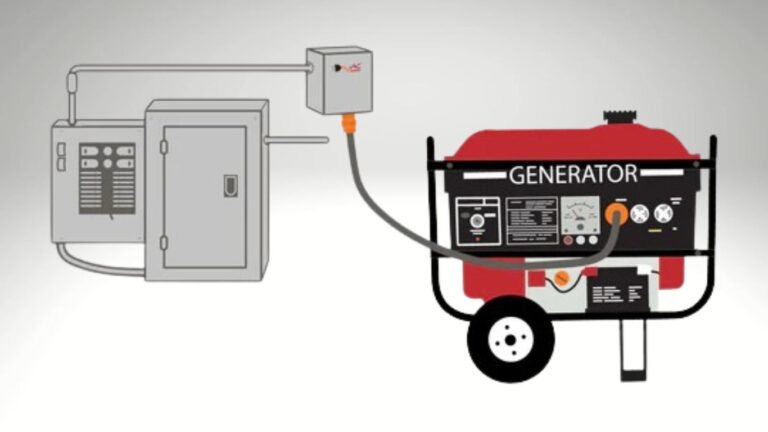
Transfer switches are integral to the safe operation of backfeeding a generator to a breaker panel. These specialized electrical devices are designed to safely bridge a backup power source, such as a generator, to a building’s electrical system. They facilitate a secure power supply transition from the utility to the generator during outages and then switch back to utility power once regular service is restored.
There are two primary varieties of transfer switches:
1. Manual Transfer Switches: These require manual operation to change the power source. They are less expensive but require physical intervention to operate.
2. Automatic Transfer Switches: These switches automatically detect a power failure and switch the power source accordingly. They are more convenient but also more costly.
Step-by-Step Guide to Installing a Transfer Switch
1. Initial Preparation: Safety is paramount. Turn off the primary circuit breaker to reduce the building’s power supply.
2. Mounting the Switch: The transfer switch should be positioned near the main electrical panel for ease of connection. It must be adequately grounded and installed following local electrical codes and standards.
3. Making Connections: Connect the transfer switch to the generator. It may involve setting up a power inlet box outside your home and providing a direct plug-in point for the generator.
4. Wiring to the Panel: To start, turn off the primary circuit breaker to reduce the building’s power supply. This wiring carries the generator’s power to the panel and must be done carefully to avoid mishaps.
5. Operational Testing: Testing the transfer switch by simulating a power outage is crucial once installed. This test ensures that the switch functions correctly, providing seamless power transition.
6. Labeling for Clarity: Accurately label the transfer switch and electrical panel. This labeling is essential for identifying which circuits are powered by the generator and which are not.
A licensed electrician should ideally install a transfer switch to guarantee safety and compliance with rules.
The Correct Method for Backfeeding a Breaker Panel
Backfeeding a breaker panel with a generator is dangerous and against the law when done without proper equipment. The correct and legal method involves using a transfer switch or an interlock kit. These devices ensure that backfeeding is controlled and safe and that only one power source is connected to the electrical system at any given time.
The Risks of Improper Backfeeding
Improper backfeeding, which deviates from the recommended method of “How to Backfeed a Breaker Panel with a Generator?” carries significant risks:
1. Electrocution Hazards: Perilous for utility workers, improper back feeding can create live power lines that pose lethal risks.
2. Fire Risks: Overloading an electrical system through backfeeding can lead to overheating, potentially causing fires.
3. Appliance Damage: An irregular power supply can damage sensitive electronics and appliances within the home or building.
4. Legal Repercussions: Illegal backfeeding can lead to fines, legal actions, and, in severe cases, criminal charges.
Why People Improperly Backfeed
Some individuals may resort to back feeding without a transfer switch despite the dangers due to cost concerns or perceived convenience. However, these shortcuts can result in hazardous outcomes and are strongly discouraged.
Interlock Kits: A Cost-Effective Alternative
For those seeking a more budget-friendly option, interlock kits offer a viable alternative to transfer switches. They allow a safe connection of a portable generator to an electrical panel while ensuring that only one power source is active.
Detailed Installation of an Interlock Kit
1. Shutting Down Power: Turn off the main breaker to ensure safety.
2. Installing the Kit: Attach the interlock kit to your electrical panel following specific instructions.
3. Connecting the Generator: A heavy-duty power cord links the generator to the interlock kit.
4. Testing the Setup: Ensuring the interlock mechanism works correctly and safely is essential.
5. Ensuring Compliance: Check that the installation adheres to local codes and regulations. It’s often best to have this installation done by a professional.
Conclusion
As the reliance on portable generators continues to grow, grasping the concept of “How to Backfeed a Breaker Panel with a Generator” becomes increasingly essential. Though it might seem like a straightforward solution, directly back-feeding a generator into a main breaker panel is fraught with high risks and is unequivocally illegal. A transfer switch or an interlock kit is the right way to do things. It is the only way that is safe and legal. These methods ensure the smooth and secure flow of power from the generator to your electrical systems and safeguard against the dangerous repercussions of improper backfeeding. In setting up emergency power systems, it is vital always to prioritize safety and adhere strictly to legal and regulatory compliances, ensuring a reliable and hazard-free power backup solution.