How to Connect a Generator Without a Transfer Switch to a House
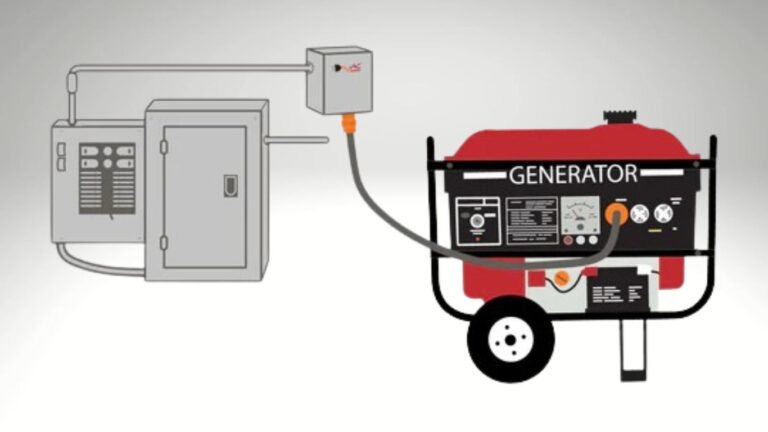
In a world increasingly dependent on consistent electricity supply, the importance of a reliable backup power system cannot be overstated. Whether it’s a small portable unit or a large standby generator, the ability to connect a generator to your house in the event of a power outage is a vital skill. Typically, this is done using a Generator Transfer Switch designed to safely integrate the generator’s power into your home’s electrical system. However, there are situations where using a transfer switch isn’t possible. This comprehensive guide explores how to safely and effectively connect a generator to your house without a transfer switch, offering a detailed look at both traditional methods and alternative solutions.
Understanding Generator Transfer Switches
Essential Role of Transfer Switches
A Generator Transfer Switch is a specialized device critical in safely operating a Home Generator System. Its functions include:
Ensuring Safety: The primary role of a transfer switch is to prevent back-feeding, a condition where electricity flows back into the primary power grid. It is hazardous and can cause severe accidents or damage to infrastructure.
Seamless Power Transition: Transfer switches facilitate a smooth transition between generator and grid power, ensuring an uninterrupted power supply.
Adherence to Legal and Safety Codes: Using a transfer switch is often a legal requirement, ensuring your setup complies with local safety and electrical codes.
Implementing a Transfer Switch & Detailed Installation Process
Selecting the Appropriate Transfer Switch: The switch should match the generator’s capacity and your home’s electrical setup.
Professional Installation: Given the complexities involved, the installation of a transfer switch should be conducted by a licensed electrician.
Regular Maintenance and Testing: The transfer switch should be regularly tested and maintained to ensure reliability.
Connecting Without a Transfer Switch: Exploring Alternatives
A Practical Alternative Interlock kits offer a budget-friendly yet effective alternative to traditional transfer switches.
In-Depth Installation Guide
Compatibility Check: Ensure your home’s electrical panel is compatible with an interlock kit before installation.
Professional Installation: Due to safety and technical considerations, an experienced electrician should install the kit.
Operational Practice: Once installed, it’s essential to practice switching from grid to generator power.
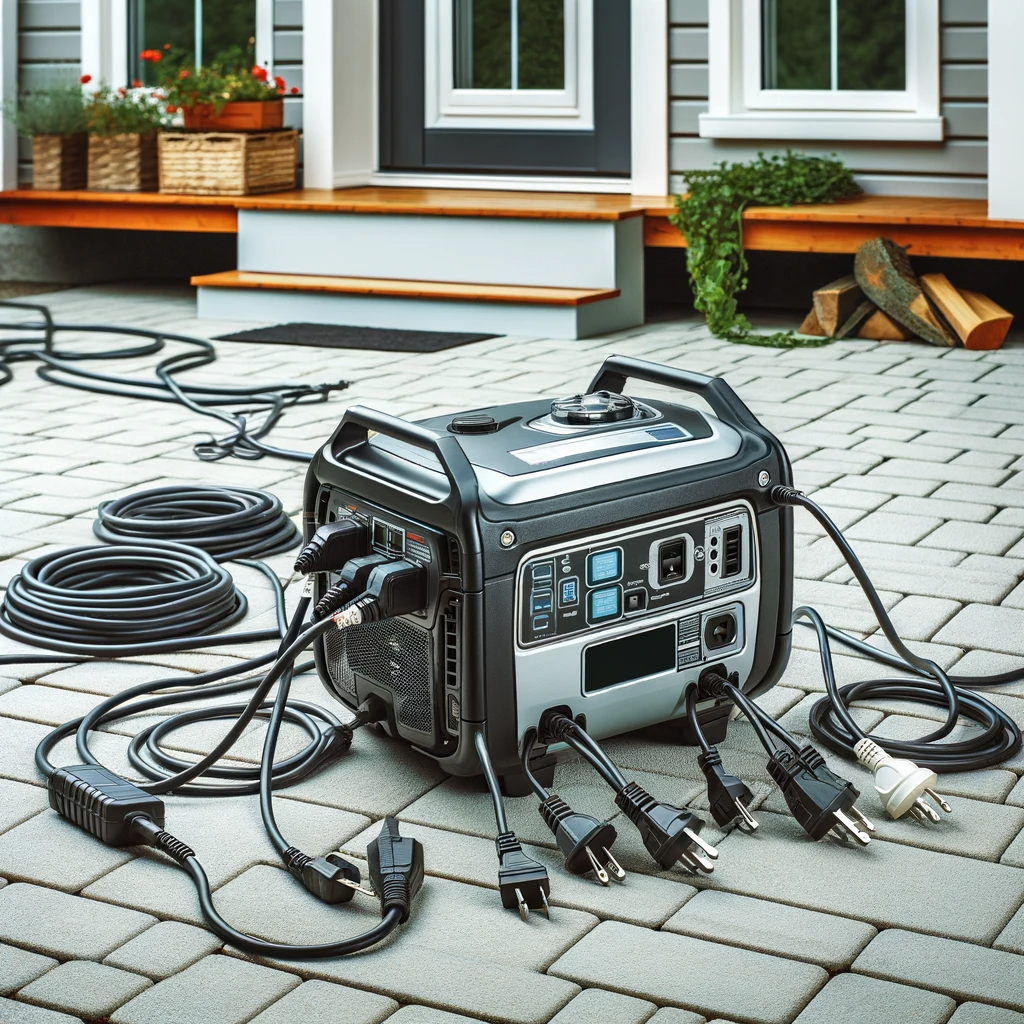
Extension Cords: Simple but Limited Using heavy-duty extension cords is the simplest method but is limited in scope.
Safe and Efficient Usage
Load Assessment: Calculating the total wattage of the appliances you intend to power is vital.
Selecting the Right Cords: Invest in outdoor-rated extension cords that handle the load.
Generator Placement: Locate the Generator Outdoors in a well-ventilated area to prevent carbon monoxide dangers.
Manual Transfer Panels: Flexible Power Control Manual transfer panels control which parts of your home receive generator power.
Detailed Installation Steps
Choosing the Right Panel: The panel should be compatible with your generator and home’s electrical system.
Professional Electrical Installation: A licensed electrician should handle the installation.
Designating Critical Circuits: Determine which circuits are essential for your needs during an outage.
Dedicated Circuits: Tailored Power Solutions Dedicated circuits allow specific areas of your home to be powered directly by the generator.
Implementation Strategy
Identifying Essential Areas: Decide which parts of your home need uninterrupted power during an outage.
Sub-Panel Setup: Have a separate sub-panel installed by a professional for these circuits.
Direct Generator Connection: Connect this sub-panel directly to the generator.
Prioritizing Safety
Safety should be the foremost concern when connecting a generator to your house, especially without a transfer switch.
Carbon Monoxide Precautions: Generators must be placed outdoors to prevent CO buildup. Installing CO detectors in your home is also advisable.
Electrical Safety Measures: Adhere to all electrical safety standards to avoid accidents.
Routine Generator Maintenance: Regular maintenance is essential to ensure the Generator functions correctly and safely.
Legal and Compliance Aspects
Navigating the legal aspects of connecting a generator without a transfer switch is crucial.
Local Code Compliance: Familiarize yourself with local building and electrical codes related to generator use.
Permit Requirements: Determine if permits or inspections are required for your setup.
Consulting with Professionals: Always seek guidance from a licensed electrician to ensure your setup is legal and safe.
Detailed Considerations for Each Method
Benefits and Challenges
Benefits: Cost-effective, relatively easy to install, and allows for flexibility in choosing which circuits to power.
Challenges: Requires manual operation, and not all electrical panels are compatible.
Best Practices for Use
Regularly test the interlock mechanism.
Clearly label the generator breaker to avoid confusion during operation.
Advantages and Limitations
Advantages: Simple to set up, no modifications to your home’s electrical system are needed.
Limitations: Limited by the number and length of cords; only suitable for powering a few appliances.
Tips for Safe Operation
Never overload the cords or the generator.
Regularly inspect cords for damage or wear.
Manual Transfer Panels
Pros and Cons
Pros: Provides more control over power distribution; can power multiple circuits.
Cons: More complex installation; higher cost than extension cords.
Effective Utilization
Label the circuits connected to the manual transfer panel.
Practice switching between grid and generator power.
Advantages and Drawbacks
Advantages: Offers a permanent, reliable solution for essential circuits.
Drawbacks: It can be more expensive and requires significant electrical work.
Implementation Tips
Regularly test the circuits connected to the generator.
Ensure the sub-panel is easily accessible for manual switching.
Conclusion
Connecting a generator to your house, with or without a transfer switch, is a complex task that requires careful planning, a clear understanding of electrical systems, and a strong emphasis on safety and legal compliance. While using a transfer switch is the recommended and safest method, understanding how to connect a generator to a house without a transfer switch is valuable knowledge for those situations where a transfer switch is not viable. By carefully examining the techniques described in this article and speaking with qualified electricians, you can ensure your home has a Reliable Power Backup System that will supply electricity when needed.