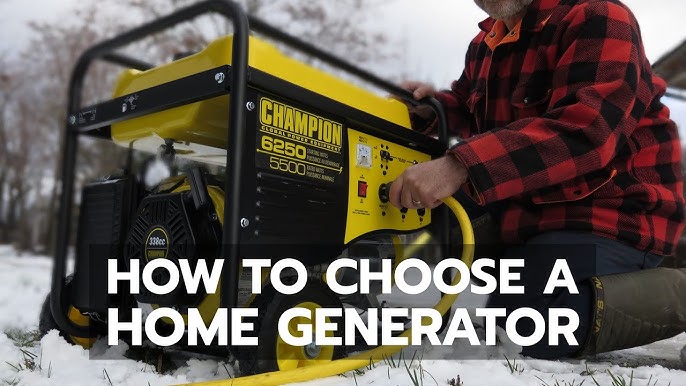
Selecting the Perfect Generator: Size & Need Analysis
In an era where reliable power is essential, understanding how to select the right generator for your specific needs is crucial. Whether it’s for home backup during outages, powering a business, or for outdoor recreational activities, the right generator can make all the difference. This comprehensive guide delves into various generator types, offers a detailed chart for calculating your power needs, and provides key considerations for making an informed choice.
Understanding Different Types of Generators
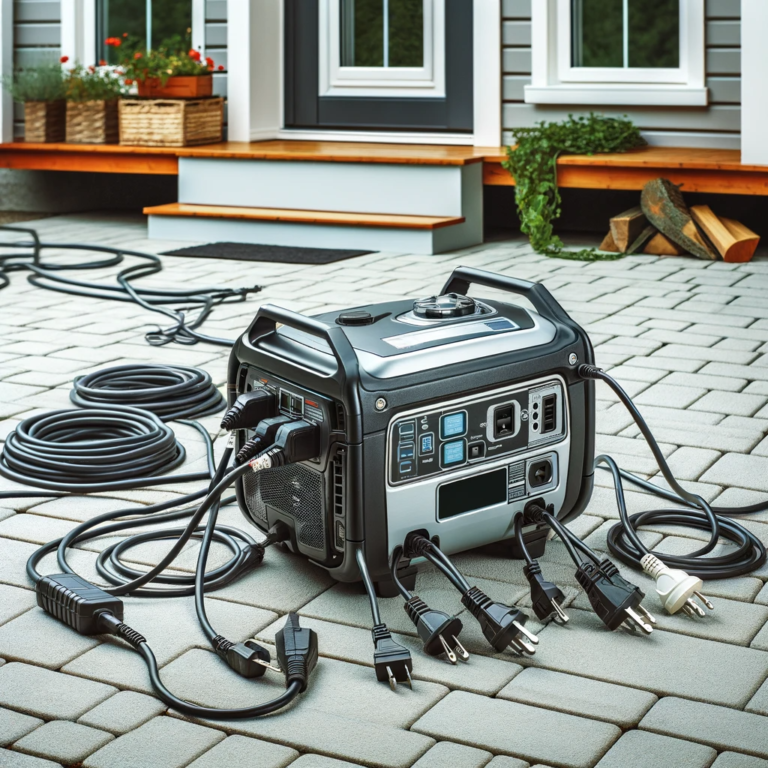
Portable Generators: Ideal for temporary or mobile power needs. They are suitable for outdoor events, small homes, or powering essential appliances.
Standby Generators: These are permanent fixtures that automatically power your home or business during an outage. They are ideal for continuous, uninterrupted power supply.
Inverter Generators: Known for providing clean, stable power, these are perfect for sensitive electronics. They are typically more efficient and quieter than traditional portable models.
Industrial Generators: Designed for heavy-duty use in industrial or commercial settings, these generators can handle large power loads over extended periods.
Generator Size and Power Output
Understanding the sizing of generators is essential. The size of a generator is typically measured in watts or kilowatts. This section would explain how to match the generator’s size with your power requirements.
Generator Size Chart
Choosing the right generator size is crucial for efficient and safe operation. Below is a chart that lists common household appliances and tools, along with their typical running and starting wattages. This chart is a valuable tool for estimating the total power requirements of your home or business.
| Appliance | Running Watts | Starting Watts |
| Refrigerator | 700 | 2200 |
| Freezer | 700 | 2200 |
| Sump Pump | 800 | 2000 |
| Window AC (10,000 BTU) | 1200 | 1800 |
| Central AC (24,000 BTU) | 3800 | 4950 |
| Furnace Fan | 800 | 1300 |
| TV | 200 | |
| Microwave | 1000 | |
| Dishwasher | 1500 | |
| Washing Machine | 500 | 1500 |
| Clothes Dryer | 3000 | |
| Lights (per bulb) | 60 | |
| Computer | 300 | |
| Portable Heater | 1500 | |
| Hair Dryer | 12500 | |
| Electric Grill | 1650 |
How to Use the Chart:
List Your Appliances: Identify the appliances you want to power with the generator.
Calculate Running Watts: Add the running watts of each appliance you plan to use simultaneously.
Consider Starting Watts: Add the highest starting wattage (from the appliances listed) to the total running watts for the initial power surge.
Total Power Requirement: The sum of the total running watts and the highest starting wattage will give you an estimate of the minimum wattage the generator should provide.
Note: The wattages listed are average estimates. For precise requirements, check the specific wattage on each appliance’s label or manual.
Calculating Your Power Needs
This section provides a step-by-step guide on how to calculate your total power needs. It would include how to sum up the wattage of individual appliances and how to account for starting watts versus running watts.
Additional Considerations in Choosing a Generator
Fuel Type and Availability: Discusses the pros and cons of different fuel types (gasoline, diesel, propane, natural gas, and solar).
Run Time and Fuel Efficiency: Highlights the importance of fuel efficiency and tank size for uninterrupted power supply.
Noise Level and Environmental Impact: Covers considerations for noise and the environmental impact of different generators.
Portability and Installation: Discusses the importance of portability for some users and installation requirements for others.
Budget and Maintenance: Provides guidance on budget considerations and the importance of regular maintenance.
Safety and Legal Considerations
Outlines best practices for safely operating generators and touches on legal considerations, such as permits or regulations that might be required for installation.
Conclusion
The article would conclude with a summary of the key points discussed, emphasizing the importance of selecting a generator that not only fits the power requirements but also aligns with the user’s specific circumstances and needs.